March 8, 2010

12 Scary Statistics about Southern California DUI

No one wants to be arrested for Southern California DUI, and no one wants to be involved in an injury crash with a driver who has been under the influence. But just how much of a problem is, for instance, driving under the influence in Beverly Hills or elsewhere in the state? Has anyone quantified the dangers? And if so, what might the data tell us about how to solve this society-wide problem – or at least build towards a long-term resolution of it?dui-stats.jpg


Before we start thinking in grand terms and trying to diagnose a solution for the system, take a gander at the following 12 statistics about driving under the influence in Southern California:

1) Of the car accidents in the United States that result in teen deaths, 60% involve alcohol or drugs.
2) Kids drink. Nearly three out of four teenagers in the United States have drunk alcohol; 10% of kids aged 12 to 13 drink alcohol at least once every month.
3) In the United States, nearly three people die an hour in alcohol related car, truck, and motorcycle accidents.
4) Teenage boys who drive with BAC levels ranging from 0.05% to 0.10% are nearly 20 times more likely to get into a car crash than are teenage boys who drive sober.
5) Teenage girls who drive within that BAC range are more than 50 times more likely than sober teenage girls to get into a motor vehicle accident.
6) According to various surveys, somewhere between 10% and 12% of all drivers on US roads has consumed some alcohol.
7) One survey suggests that someone with a BAC level of 0.15% (nearly twice California’s legal limit) is nearly 400 times more likely to be killed in a crash than a sober driver.
8) In 2008, there were 3,434 fatalities on California’s roads, of which 1,198 were alcohol related. Of these, 1,029 involved drivers who were driving above the legal limit of 0.08%.
9) 2008’s numbers are actually BETTER than numbers in the past. For instance, in 1987, California’s roads saw 5,504 fatalities, of which 2,961 were alcohol related and 2,354 involved drivers who were driving with a BAC of 0.08% or higher. (These stats come from the National Highway Traffic Safety Administration).
10) DUI arrests have dropped nearly 50% since the CA State Legislature enacted a law in 1990 that stipulated that the legal limit for BAC would be 0.08%.
11) But Southern California DUI arrests may be on the increase. In 2006, for instance, 197,248 people were arrested for DUI in the state; in 2007, 203,866 people were arrested for DUI.
12) Anecdotal and statistical evidence suggests that the quality of your DUI defense attorney can make a major difference in terms of your sentencing.

If you or a family member has been charged with driving under the influence in Hollywood or elsewhere in Southern California, the choice of your attorney can be incredibly important in terms of your future and finances.


Continue reading "12 Scary Statistics about Southern California DUI" »

Bookmark and Share

March 1, 2010

Celebrity Los Angeles DUI Arrests and Tiger Woods: The Art of The Public Apology

For years, we have been treated to a media spectacle: a seemingly endless parade of celebrity Los Angeles DUI violators apologizing to us on TV, on radio, and in print. Although Tiger Woods’ mea culpa last Friday had nothing to do directly with the string of celebrity DUIs that have graced our tabloids recently, his apology is in many ways one-of-a-piece with other celebrity self-flagellations we’ve collectively endured.tiger-woods.jpg


What is behind the following cycle?

#1. A celebrity does something obviously wrong. (From Nick Nolte to Mel Gibson to Lindsay Lohan to Stephanie Pratt, that “something” has been a Los Angeles DUI. For Tiger Woods, it was a string of infidelities.)

#2. Deny the wrongdoing or diminish it somehow.

#3. When the evidence becomes so overwhelming that the celebrity cannot get out from the glare of the spotlight, capitulate and make public amends.

#4. The public grants absolution (or not), and the celebrity gets off the hook (or not).

#5. The public gets distracted by the next celebrity crime/gaffe/outrageous statement.

If Tiger Woods’ infidelities and celebrity Los Angeles DUI events were victimless crimes, this cycle would be nothing more than frivolous theater for the masses. But real people can and do get hurt. In Tiger’s case, no one was actually physically injured. But in cases of celebrity hit and run accidents, for instance, people and property get damaged.

Moreover, when we see authority figures (celebrities, politicians, athletes) behaving badly, it gives other people a kind of permission to behave badly as well, indirectly.

So how can we solve the seemingly intractable problem of celebrities behaving badly -- committing public infidelities, lying to confidantes and to the public, and driving under the influence in Hollywood and elsewhere in Los Angeles?

Obviously, this blog cannot on its own solve the mess. But what we can do is to sketch out the law a little clearer, so that people can understand it and abide by it better.

Two key laws are found in the California Vehicle Code Section 23152(a) and 23152(b). According to 23152(a), if the Southern California police stop you while you are driving DUI or under the influence of drugs, you can be arrested and charged with a misdemeanor or felony. If you wind up convicted of this crime, you can lose your California drivers license, be forced to pay significant fines and court costs, get points on your DMV record, and suffer all sorts of indirect consequences from the arrest and conviction.

23152(b) defines the legal limit for blood alcohol concentration at 0.08%. In other words, if you drive with this BAC or higher, you can be arrested and convicted for driving under the influence.

Building a stout defense to charges of driving under the influence in Beverly Hills or anywhere else in Southern California can challenge even veteran attorneys. The law is complex, and prosecutors tend to come down hard on DUI offenders -- even first time offenders. Fortunately, a good attorney can make a real difference.

Continue reading "Celebrity Los Angeles DUI Arrests and Tiger Woods: The Art of The Public Apology" »

Bookmark and Share

February 22, 2010

Southern California DUI Checkpoints Used to Nab Unlicensed Drivers: Is This Practice Fair?

In last Sunday's New York Times, writer Ryan Gabrielson reported that Southern California DUI checkpoints often spell serious trouble for unlicensed motorists. In 2009, nearly 24,000 cars were seized at Southern California DUI checkpoints -- netting around $40 million for the state in fines, towing fees, and other costs. Each impounding can run up to $4,000 or more -- usually much more than many motorists can afford to pay.towed_vehicle_dui.jpg


Times readers reacted passionately to the story. Some readers argued that the impounding is useful and fair. Others argued that the practice victimizes the poorest people in Southern California and constitutes what's in essence an extra tax on unlicensed drivers.

Those in favor of the police actions argued that uninsured motorists/unlicensed drivers often cause havoc on Southern California roadways. If one of these drivers hits another vehicle and then flees the scene, the driver who got hit (and possibly injured) must foot the bill for repairs and medical costs, if his or her insurance company won't help.

On the other hand, the draconian punishments for non-DUI checkpoint offenders may distract police from their primary mission of stopping driving under the influence in Burbank (and elsewhere). The practice also seriously hurts people who are just scraping by on the margins of society. Take away these people's vehicles, argues the other side, and they may no longer be able to hold down jobs. Some may even turn to crime to pay the bills.

Obviously, this blog can't resolve such a complex and multifaceted issue. But we can provide some basic information to educate Southern California drivers.

For instance, did you know that if you're pulled over for suspected DUI in Southern California, the police will look for so-called objective symptoms of DUI? These symptoms can include, but are not necessarily limited to:

• Fumbling and stumbling
• Slurred or incoherent speech
• Contradictory stories of where you have been, or what you are doing on the road
• Slow or belligerent responses to officer questions
• Inappropriate emotional reactions to being pulled over
• Smell of alcohol on you
• Blurry, bloodshot, or unusually dilated eyes
• Shifty or slovenly appearance
• Poorly maintained vehicle
• Terrible driving

If you or loved one has been pulled over for driving under the influence in Burbank, it may feel like your world is collapsing around you. Who should you talk to? What might happen to you? What steps should you take to defend yourselves against the charges?

Continue reading "Southern California DUI Checkpoints Used to Nab Unlicensed Drivers: Is This Practice Fair?" »

Bookmark and Share

February 15, 2010

Concerned about Southern California DUI? You’re not alone: Men’s Health Survey rates three CA cities as “drunkest” in the US.

Celebrity Beverly Hills DUI arrests regularly grace the pages of our tabloid newspapers (see, for instance, DUIs involving Lindsay Lohan, Mel Gibson, Nick Nolte and, most recently, Adrian Pasdar). But the non-celebrities among us do not seem to be faring much better when it comes to avoiding the long arm of the law.dui-in-southern-california-2.jpg


A recent Men’s Health Survey (due to be published in March) finds that 3 of the top 10 “drunkest” cities in United States belong to the Golden State; Riverside, Bakersfield, and Fresno all rank among the “most drunk” cities.

The survey took into account an array of factors. The magazine investigated CDC data re: alcohol liver disease, Southern California DUI fatal car crashes (viz the Fatality Analysis Reporting System), and the total number of DUI arrests (viz the FBI). The magazine even cross-compared DUI punishments to assess the relative drunkenness of metropolises.

Fresno ranked as the worst city; Riverside as the fourth worst city; and Bakersfield as the tenth worst city. Curiously, Boston, Massachusetts was the least drunk city. This may come as a surprise to many people, given that Boston is home to Samuel Adams beer as well as to a plethora of colleges, including Harvard, MIT, Boston University and many, many others.

New York City also got off relatively easy in the survey. Perhaps Boston and NYC fared better because the two East Coast cities have lots of public transportation; thus, maybe there were simply fewer opportunities for DUI driving.

Nevertheless, the Men’s Health Survey serves as a sobering reminder of the perils of Southern California DUI -- for both individuals and for our community.

Practically everyone -- from law enforcement officials to criminal defense attorneys representing Hollywood DUI clients -- agrees that driving and alcohol consumption don’t mix and that we need to better fixes for roadway safety. To move in this direction, we must understand when and how to tell whether a driver is intoxicated.

Beverly Hills DUI officers look for an array of symptoms whenever they pull over a suspected driver. These include but are not limited to:

• Disheveled appearance
• Bizarre or dangerous driving
• Poor motor coordination
• Fumbling with driver’s license and registration
• Incoherent or paradoxical stories of where the person has been
• Slow or inappropriate responses to police questions
• Watery eyes
• Smell of alcohol in the car or on the person
• Other inappropriate demeanor or actions

Crafting an intelligent defense to charges of driving under the influence in Beverly Hills means first and foremost understanding what the law stipulates and how the trial process for DUI typically proceeds.

Continue reading "Concerned about Southern California DUI? You’re not alone: Men’s Health Survey rates three CA cities as “drunkest” in the US." »

Bookmark and Share

February 8, 2010

Should Breathalyzer Tests Be Used on Long Beach DUI Suspects?

Would the public and people suspected of driving under the influence in Burbank, Long Beach, and elsewhere in Southern California be better served if police use more accurate methods to test for blood alcohol concentration (BAC) levels?breathalyzer-dui-los-angeles.jpg


The Breathalyzer device has been a law enforcement staple for decades. Most people -- including most police officers and drivers -- assume that Breathalyzer tests used at DUI checkpoints are pretty accurate.

We take it on faith that these tests work at least well enough to determine guilt or innocence for driving under the influence in Southern California. However, unrefuted analyses show that Breathalyzer readings can be riddled with errors. Let’s examine some of the most common sources of error:

1. Calibration problems

Silicone oxide sensors can be contaminated and influenced by chemicals other than ethyl alcohol (the “active ingredient” in most cocktails and drinks). Both the so-called wet bath method and the dry gas method of calibration have flaws. A failure to recalibrate -- or interference with recalibration -- can lead tests to be widely off the mark.

2. Certain chemical compounds can interfere with readings

Diabetics, most famously, can have acetone levels in their blood that can throw off BAC readings (and thus yield a false positive). A scientific study out of Europe recently found that certain asthma medications can also lead to false positives. Environmental compounds, such as MTBE -- an additive in gasoline -- can also interfere with breathalyzer mechanisms and lead to false positives… as can paint remover, other kinds of alcohols, lacquers, and volatile organic compounds (VOCs).

3. Variations among people

Variations in human physiology abound, and these can play a not insignificant role. One person’s breath may be “more alcoholic seeming” than another person’s breath -- even though the two subjects may have identical BACs. In other words, someone well above California’s legal limit of 0.08% could test below the legal limit because he has what's known as a high partition ratio. Conversely, a driver who has a low partition ratio (e.g. 1400:1) could have a de-facto BAC level of 0.06% and still test above the legal limit for Long Beach DUI.

4. Officer bias and other issues

Police officers are people too, and they can make mistakes -- both in terms of recording BAC levels and in terms of conveying relevant information up the chain of command.

Also, variations between men and women, variations due to temperature, and variations due to cell volume of the blood of suspects (known as hematocrit) can also lead to skewed results and false positives.

So what should you do if you or a loved one has been slapped with a misdemeanor charge of driving under the influence in Long Beach, and you believe that the Breathalyzer test gave a false positive? Even if the facts are on your side, you still likely need a competent and trial-proven lawyer to help you plead your case.

Continue reading "Should Breathalyzer Tests Be Used on Long Beach DUI Suspects?" »

Bookmark and Share

February 2, 2010

Burbank DUI Drivers and Other Hazards: How to Handle Southern California's Wild Freeways

From Burbank DUI drivers to debris in lanes to ferocious traffic snarls, Southern California's freeways present a gallery of challenges to drivers. Here's a quick guide to the obstacles we frequently encounter thanks to our tangled freeway system.405-freeway.jpg

Rush-hour gridlock from 6 AM through 9 PM... and often on weekends.

The massive, never-abating congestion on freeways like the 10, the 405, and the 101 (but not the 90!) causes much consternation to newbie drivers. Whether you join the queue at six in the morning on the way to work; or you encounter a surprise snarl at 9 PM on a Sunday, be forewarned that stop-and-go traffic can be quite treacherous. Obviously, it's hard to get into a serious injury accident going 5 mph. But when traffic thaws - after an obstacle is removed from the road, for instance - conditions can become quickly fluid, and accidents can easily occur. Just like a melting glacier presents challenges to hikers walking on top of it, so can a flowing traffic jam be extra dangerous to cars caught in the middle of it. So when the traffic breaks up, be on extra alert.

Freeways at night can turn into grand prix racing grounds.

The 405 is not always packed with cars, contrary to the impressions of daily commuters. At night, Southern California's capacious freeways empty out. This attracts a different kind of hazard -- the speedster. As reported on our Southern California DUI blog, a local television actor (Adrian Pasdar) was arrested just last week for driving 94 mph on the 405 near Santa Monica Blvd. DUI drivers, careless drivers, bad lighting, and highway maintenance projects can turn freeways into veritable obstacle courses.

Distractible drivers.

Southern Californians have an ongoing (and unfortunate... for many reasons) love affair with the cell phone/personal digital assistant. Driving while texting or talking on a cell phone can be hugely problematic -- perhaps even more dangerous than driving under the influence in Southern California. A recent study found that California's anti-cellphone-while-driving law has not resolved the problem -- perhaps because the law required only that drivers speak on headsets instead of requiring that they refrain from talking on the phone altogether while driving.

In any event, by paying extra attention to the road -- and not yapping on the cell phone, getting distracted by billboards or local celebrity sightings, or sightings of paparazzi spotting local celebrities -- you can hopefully mitigate some of the risks posed by other distracted drivers.

Understand the penalties for driving under the influence in Burbank and elsewhere in Southern California.

Many people think that getting a first-time DUI is akin to getting a speeding ticket. But a DUI is no mere infraction. According to the law, even a first-time DUI offender can be charged with a misdemeanor -- or even a felony, depending on the circumstances. If you're convicted of even a misdemeanor Burbank DUI, the court can impose a crushing array of penalties including but not limited to:

* minimum of 48 hours in jail (two full days)
* court costs and fines of potentially thousands of dollars
* mandatory alcohol school in probation
* suspension of license for a full year
* pursuant to a law that went into effect on January 1, first time DUI offenders must install an interlock ignition device (IID) in their vehicles. This means that you must blow into a Breathalyzer-like device every time you want to start your car.

Obviously, the punishments for driving DUI in Burbank are unpleasant, to say the least. But what can you do if you or a loved one has been arrested and charged?

There are many wrong paths to take. If you lack knowledge of how the court system processes Southern California DUIs, you could easily take one of these inferior paths and compromise your future. Fortunately, good help is available.

Continue reading "Burbank DUI Drivers and Other Hazards: How to Handle Southern California's Wild Freeways" »

Bookmark and Share

January 25, 2010

DUI in West Hollywood Dangers -- How to Avoid Them

The problem of driving under the influence in West Hollywood is a perennial one. On weekend nights and certain holidays (especially Halloween), the surface streets in West Hollywood become extremely hazardous to both pedestrians and drivers. Here, we provide some tips for how to (hopefully) drive safer and smarter in and around the City of West Hollywood. dui-in-west-hollywood.jpg

1. Limit your driving on party nights.

As long time residents know, the City of West Hollywood comes alive on weekend nights -- particularly along the stretch of Santa Monica Boulevard from Doheny east to La Cenega. The Sunset Strip (to the north) is also the site of many arrests for DUI in Hollywood.

Hard partying drivers pose risks not only to other cars on the roads but also to pedestrians. According to authors Steven Levitt and Stephen Dubner (SuperFreakonomics), walking while under the influence of alcohol may be even MORE dangerous than driving under the influence, per mile traveled. So pedestrians and drivers alike should be particularly cautious in the “party zones” -- especially during weekends and holidays.

2. DUI drivers who get distracted while looking for parking spots can be doubly dangerous.

Parking restrictions abound in West Hollywood. Trying to finagle a parking space, especially near the clubs and restaurants along Robertson, Santa Monica Boulevard, and La Cienega Blvd, can be perilous even if you're driving sober and in the middle of the day. The constant cat and mouse game that is the quest to find parking in West Hollywood can result in drivers becoming extremely distracted. When you combine this with alcohol in any form, the dangers skyrocket.

3. Certain intersections have a reputation for being unwieldy.

The intersections of Santa Monica Boulevard with north-south streets like Fairfax, La Cienega, and Doheny, for instance, can get crowded and competitive during rush hour. So be extra mindful at these big intersections. Watch for drivers cutting across traffic or breaking other rules.

4. DUI in West Hollywood dangers can actually increase when fewer cars are on the roads.

During the day, when most of Los Angeles is stuck in a perpetual traffic gridlock, cars obviously have to drive slower, and thus the potential dangers of injuries from certain collisions decrease. When the traffic frees up -- during the evening hours and sometimes in the weekends -- cars naturally speed up. While this makes getting around West Hollywood a little easier, it also poses problems. DUI in Hollywood collisions are more likely to lead to injuries and death, for instance. This hazard can be compounded on the weekends because certain neighborhoods will clog up with traffic (people going into and out of popular clubs and restaurants), and thus there's a lot of stop and go action on the roads, which can make things even scarier -- particularly when you add DUI in West Hollywood drivers to the mix.

The laws governing DUI in West Hollywood are the same as the laws that govern DUI elsewhere in the state. Two sections of the law are particularly relevant -- California Vehicle Code Section 23152(a) and California Vehicle Code Section 23152(b). These sections outline precisely what constitutes the crime of driving under the influence of alcohol or drugs and sets forth the (many) punishments that can be handed out to violators. Two related laws, California Vehicle Code Section 23153(a) and California Vehicle Code Section 23153(b), outline the crime of Southern California DUI with injury and stipulate the punishments for that crime.

To build a stiff defense against any of these charges, it helps to retain a lawyer who has a deep working understanding of Southern California judicial system from both the prosecutorial and defense side.

Continue reading "DUI in West Hollywood Dangers -- How to Avoid Them" »

Bookmark and Share

January 19, 2010

Burbank DUI Risks Increase Due to Torrential Rains

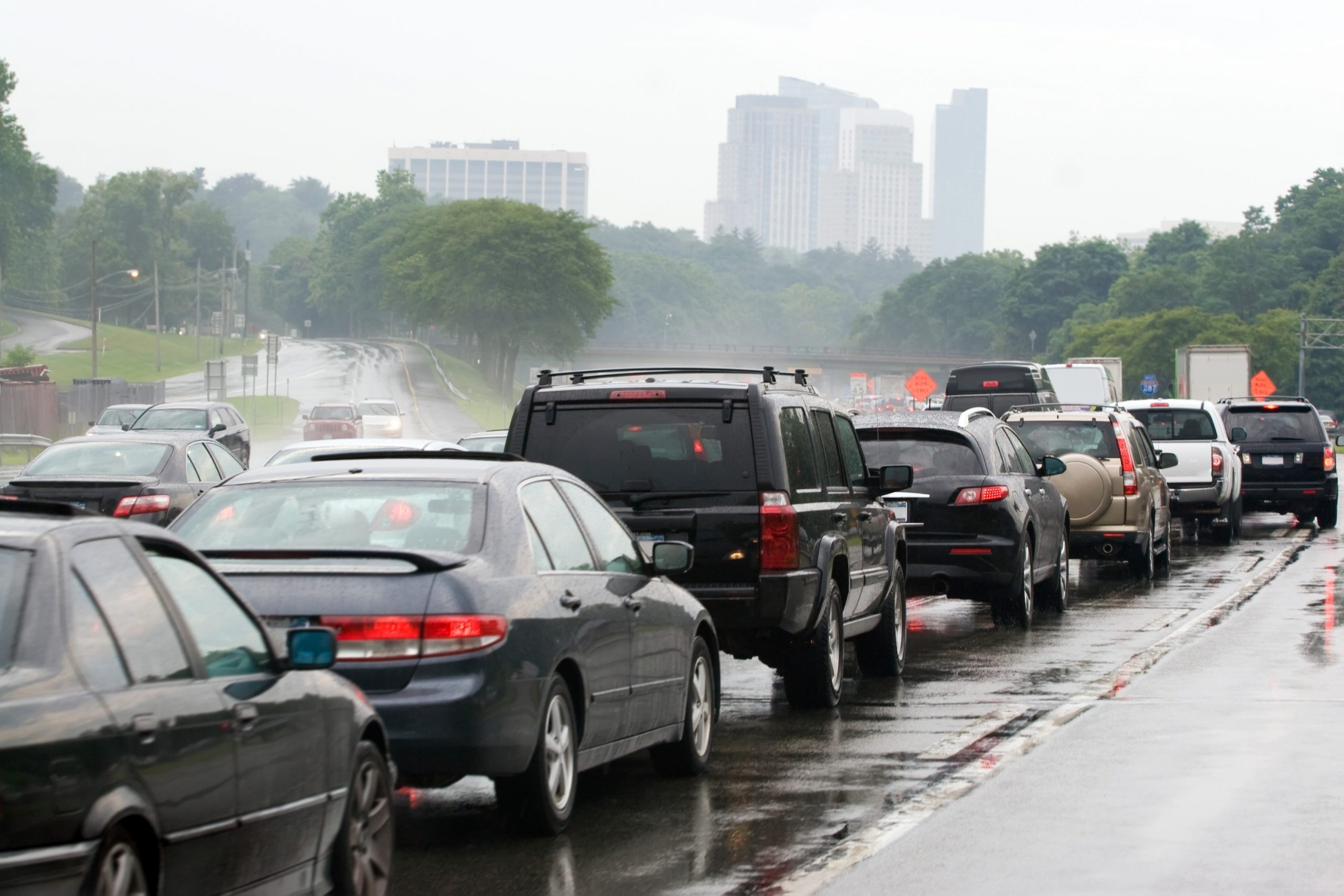
The dangers of driving under the influence in Burbank have increased dramatically, thanks to the drenching rain that has doused the Southland. AccuWeather projections predict that the rain will last at least until (or through) Friday, potentially causing local flooding, traffic snarls, and changes to typical freeway congestion patterns. driving-in-the-rain-dui.jpg


How does heavy rain impact risk for Burbank DUI?

Rain in general can increase driving dangers, including the dangers from Southern California DUI

Rain reduces visibility, causes windows to fog up, slicks up road with oil and debris, increases risk of hydroplaning, and disrupts normal traffic patterns.

Weather related confusion alters driver perceptions about what constitutes safe driving and what constitutes dangerous behavior.

Rain can make certain driving decisions appear more or less dangerous than they actually are. For instance, let's say you're driving through a flooded freeway. You might be thus inclined to be more cautious than you normally would -- and this overcompensation would result in a net improvement in safety over how you normally drive. On the other hand, rain keeps some people off the roads. Thus, you might interpret this absence of traffic as a "green light" to go faster, and this would result in your driving less safely than you normally would.

Most accidents result from multiple "things going wrong" -- rain can be the element that causes a driving situation to cross the threshold from near-miss to accident

According to the statistical analyses of auto and airplane crashes, accidents often result from multiple errors strung together. Consider a theoretical plane crash. The pilot may be more fatigued than usual; he might be flying into foggy weather; his instrument panel might be below grade; and his copilot might be distracted due to a fight he had earlier in the morning with his brother. Taken individually, these factors might not lead to an accident. Taken together, however, these x-factors could create a lethal mix... and lead to a plane crash.

To bring us back from this digression... the implication is that additional road risk factors, such as the rain beating down on Southern California, can (at least theoretically) increase the likelihood that "close calls" wind up as accidents. For instance, let's say there is a guy who's driving DUI in Burbank. Under ordinary situations, he would steer clear of obstacles. But add in the element of rainsoaked highways, and this could cause enough of a disturbance to lead to an accident.

Obviously, history works in only one direction, and there's no way to analyze these kinds of counterfactuals.

Given the increased risks out there, now might be a useful time to do a quick refresher course on the common DUI symptoms. These include but are not limited to: disheveled appearance, mumbling speech, bloodshot eyes, incoherent storytelling, verbal gaffes, clear misstatements of fact, bad driving, and poor motor control/stumbling.

Whether you face a first-time misdemeanor charge of Encino DUI, or you're battling a complicated DUI manslaughter in Long Beach charge, good legal help is a must.

Continue reading "Burbank DUI Risks Increase Due to Torrential Rains" »

Bookmark and Share

January 16, 2010

High Ranking Republican Arrested For DUI....But Not A Los Angeles DUI

One of most powerful Republican State Senate leaders North of Los Angeles was arrested for a DUI. Utah State Senate Majority Leader Sheldon Killpack was arrested for driving under the influence and one day later he resigned from office.
killpack.jpg
The irony of the arrest is that the State Senate leader was one of the biggest proponents of drunk driving laws. After speaking with his DUI defense attorney, Killpack decided that he would be a distraction if he remained in the legislature, and so he quit his political post.

Killpack's father was killed by a drunk driver when the legislator was a teenager. Since being elected to the State Senate, he has championed victim's rights.

This past Friday night a Utah Highway Patrol trooper observed Killpack's vehicle driving erratically. When he was stopped, the trooper noticed that the legislator had a strong smell of alcohol. After being asked to perform field sobriety tests he refused to take a breath test. The trooper then took the unusual step of seeking a warrant to take blood. Killpack was then booked into jail and later released

Continue reading "High Ranking Republican Arrested For DUI....But Not A Los Angeles DUI" »

Bookmark and Share

January 12, 2010

Southern California DUI Fatalities Trending Downwards over Past Several Years

The National Highway Traffic Safety Administration (NHTSA) monitors trends regarding fatal Southern California DUI incidences. A close look at the recent stats points to many positive developments and some concerns. Let's consider the stats over the past 30 years to wee how the dangers of DUI in Southern California have evolved. (We believe that it's crucial to regularly step back from analyzing DUI headlines and inspecting the latest CA DUI laws to get perspective on the size and scope of the issues drivers face.)roadside_los_angeles_dui_fatality.jpg

In the early 1980s, driving in Southern California was extremely dangerous -- much much more so than it is today. In 1982, for instance, over 60% of CA's traffic fatalities were alcohol-related. There were 4,615 total roadside fatalities, 2,799 of which were alcohol-related; and 2,484 of the alcohol-related fatalities involved drivers who tested over the state's legal limit of 0.08%.

Due to a variety of factors, including increased awareness of the dangers of driving under the influence in Los Angeles, stronger enforcement of DUI and seatbelt laws, and better car safety engineering, alcohol-related fatality rates plunged over the next several years, even as the total number of California roadside fatalities increased. The high watermark hit in 1987, when 5,504 died on California's roads -- 2,961 of whom did so in alcohol-related crashes.

Over the next eleven years (1987-1998), both the total number of fatal accidents and the number of alcohol-related fatalities declined, bottoming out in 1998 at 3,494 (total) and 1,367 (alcohol-related). This decline could be almost entirely accounted for by the decline in alcohol-related fatalities.

Unfortunately, over the next seven or eight years, the downward trend reversed itself for both total and alcohol-related fatalities. By 2005, the numbers rose to 4,329 (total) and 1,719 (DUI related). Since the 2005 high water mark, however, the numbers have reversed yet again. In 2008, there were only 3,434 total fatalities on the road, of which only 1,198 were alcohol related.

Of course, analyzing statistics like these can lead to misguided conclusions. It is very difficult to tease out cause from correlation. Even when you have good statistical data, and you can identify strong correlations between two variables, to prove cause requires a much higher logical burden of proof.

Not all DUI related fatalities are charged as felonies. Some accidents can result in charges of DUI vehicular manslaughter. Other accidents can lead to charges of gross vehicular manslaughter. Still others -- so-called Watson Murders -- can be DUI murders.

To respond effectively to any of these charges, you likely need a trial-proven lawyer to help you.

Continue reading "Southern California DUI Fatalities Trending Downwards over Past Several Years" »

Bookmark and Share

January 2, 2010

Major Changes to Los Angeles DUI Laws Go into Effect: First Time Offenders Must Now Install Interlock Ignition Devices

Starting in 2010, any driver convicted of a Los Angeles DUI will be required by law to install an interlock ignition device (IID) in his or her vehicle. The new law is part of an ambitious pilot program being tested in seven different California counties, including Los Angeles and Tulare (in Northern CA). It will remain in effect until at least January 1, 2016, at which time lawmakers can reevaluate the program and determine whether to continue, expand, or terminate it. The legislation stipulates that first-time offenders must keep an IID in their cars for five months minimum; furthermore, past DUI offenders may obtain a restricted driver's license -- provided that they agree to install IIDs in their vehicles.ignition_interlock-DUI-Los-Angeles.jpg

The IID is a Breathalyzer-like device that prevents a vehicle from starting unless a driver blows a clean 0.00% BAC reading.

In addition to changing Southern California DUI rules, the California Legislature passed a slew of other laws which also went into effect on January 1, including:

Move Over, Slow Down expanded -- Drivers must slow down or change lanes when approaching emergency vehicles (such as Caltrans vehicles with flashing amber warning lights) or face stiffer punishments.

Assembly Bill 62 -- Californians may now install TV/DVD monitors in front seats of vehicles, provided that drivers cannot see the TV/DVD screens while operating their vehicles.

Paparazzi crack down -- Pursuant to complaints from Jennifer Aniston and other celebrities about aggressive paparazzi tactics, CA lawmakers passed a bill that imposes extremely steep penalties ($50,000+) on paparazzi who improperly obtain photos of celebs (for instance, by running red lights or committing other traffic infractions).

Seat-free Bicycles Now Allowed on Freeways -- Lawmakers eliminated a law that had banned the operation of seatless bikes on state freeways.

The implications of the changes to these laws -- particularly the ones pertaining to Los Angeles DUI and interlock ignition devices -- will no doubt be profound and far-reaching.

Do you or a loved one or family member need help battling charges of driving under the influence in Los Angeles?

Continue reading "Major Changes to Los Angeles DUI Laws Go into Effect: First Time Offenders Must Now Install Interlock Ignition Devices" »

Bookmark and Share

January 1, 2010

California and Los Angeles DUI Arrests Over New Year's Eve 2009 Breaks All Records

The end of 2009 brought about a record number of California DUI arrests. This New Year's Eve into the early morning hours of the first day of 2010 ended with 527 DUI arrests throughout California and a total of 6 DUI related deaths. The number of California DUI arrests rose by almost 100 over the number of DUI arrests one year ago.

DUI%20Arrest.jpg

This huge number is because of the increase in the number of DUI checkpoints and the extra emphasis on DUI arrests by California law enforcement.

Los Angeles DUI checkpoints that are still going on this weekend and will be used to enforce Los Angeles DUI laws include the following:

- On January 1, 2010 on Figueroa Street between 8th and 9th streets in downtown Los Angeles. This checkpoint will operate between 6:00 PM and 1:00 AM.

- On January 2, 2010 there will be a Los Angeles DUI checkpoint on Olympic Boulevard west of Cherry Avenue, between 7:00 PM and 12:30 AM.

These checkpoints will need to comply with very strict requirements in order for the ensuing DUI arrest to potentially lead to a DUI conviction. Otherwise, a top notch DUI defense firm will be able to find the defects in the Los Angeles DUI checkpoint and if those defects are fatal, the DUI case will have to be dismissed.

History has shown that Burbank DUI cases and Pasadena DUI cases as well as DUI cases from any other Southern California city may very well have false high blood alcohol levels.

As a former Los Angeles DUI prosecutor and now practicing and running a top rated Los Angeles and Southern California DUI defense firm, people often ask me if these DUI checkpoints are legal. There are two things that need to be evaluated when looking at a Los Angeles DUI checkpoint. It must be determined if the checkpoint complies with all of the requirements in order to legal. If it idoes, then the next evaluation is, whether the blood alcohol level or BAC as reported by the machine or other test result are accurate.

When you are arrested for a Los Angeles DUI and are told of the test results, you should not loose all hope. Even if the California DUI blood test or DUI breath test report that you are over the legal limit of 0.08% or above does not mean those results are true and accurate. There are a number of reasons why the BAC level may be inaccurate. Those include the following reasons:

The machine is not calibrated correctly - DUI machine error
The police may not follow the procedures requires by California DUI law - procedural errors
In the case of blood or urine tests there could be a error - contamination errors

There are other reasons why a person could have an inaccurately high blood alcohol level. Even if the police or prosecutor tell you that your BAC is over the legal limit, even if by a significant factor, it is always worth fighting.

I always tell people that as a former prosecutor you should always fight your Southern California DUI case. The experiences and skills of a former prosecutor that now practices Los Angeles DUI defense is priceless in helping your to fight your DUI case.

Continue reading "California and Los Angeles DUI Arrests Over New Year's Eve 2009 Breaks All Records" »

Bookmark and Share

December 27, 2009

Ten Ideas to Decrease Los Angeles DUI Arrests and Improve Highway Safety in 2010

1. Battle Los Angeles DUI incidences by improving the efficacy of rehab programs.

Sadly, rehab programs such as certain 12-step programs can be surprisingly ineffective at helping addicts recover from alcoholism. While only a few scientific surveys of groups like AA have been conducted, the results have not been particularly compelling. Indeed, some studies have suggested that 12-step treatment is no more effective than placebo treatment. Conversely, other rehab programs have demonstrated a statistically significant success rate, and perhaps there could be something to be learned from these more successful programs that could be more broadly applied and used to decrease the problem of Los Angeles DUI.
dui_in_southern_california.jpg

2. Increase prohibition on the use of cell phones and text messaging while driving.

As we’ve discussed elsewhere on this blog, the problem of driving while texting and driving while talking on the cell phone may be as big as -- if not bigger than -- the problem of driving under the influence in Long Beach and elsewhere in the Southland. Although California has made driving while texting illegal, perhaps more attention needs to be focused on this area. If we can reduce general driver distraction, we can likely reduce accidents and injuries on our roads.

3. Improve traffic engineering.

Road construction, bad or ineffective lighting, unclear signage, and other traffic engineering factors likely contribute to a significant percentage of accidents on Southern California roads. More innovative attention to these engineering problems can likely decrease the number of highway crashes significantly.

4. Use “crowd-sourcing” to identify dangerous drivers.

Crowd-sourcing is using aggregated community resources to get things done. Individuals armed with cameras and cell phones can in some circumstances help identify bad drivers and thereby exert social pressure to get them to conform to the laws of the state.

5. An improving economy can lead to more prosperity and more goodwill on the roads.

A depressed economy leads to depressed and distracted drivers. If you're fatigued, in a bad mood, and stressed about finances, chances are you're going to be a less attentive driver. Thus, in a bad economy, chances are that collectively Californians will be more at risk for getting into accidents -- DUI and otherwise. If the economy improves, however, this may likely have a salutary effect on our collective driving behavior.

6. Campaign to raise the awareness of the danger of sleeplessness.

Driver fatigue is a significant contributor to accidents. Unfortunately, most people are not aware of how dangerous it can be to drive while sleepy, stressed, or otherwise out of sorts. A simple statewide educational campaign to explain these dangers could result in safer roadways.

7. Improve road maintenance.

Clearing debris out of lanes on highways and performing other general upkeep should likewise have a salutary effect on road safety.

8. Sell fewer red cars.

Studies show that the color red can inspire aggression in the minds of other drivers. Theoretically, if fewer red cars populated Southern California’s highways and byways, we might see a decrease in driver aggression and thus in accidents and injuries.

9. Improve education for minors about the ABCs of road safety.

Many new Southern California drivers do not understand or appreciate their responsibilities. Likewise, they may not understand the laws regarding DUI -- in Southern California, for instance, if you're under 21 years of age and you are caught with a blood alcohol concentration of just 0.01 percent -- the equivalent of just a few sips of alcohol for some people -- you can be arrested and charged with DUI in Southern California.

10. Provide better legal assistance.

Do you need fast, effective, and professional help with a charge of Los Angeles DUI?

Continue reading "Ten Ideas to Decrease Los Angeles DUI Arrests and Improve Highway Safety in 2010" »

Bookmark and Share

December 21, 2009

Ten Concerns Regarding Los Angeles DUI and Other Driving Hazards in 2010

1. Driving under the influence in Los Angeles will not be the only major challenge facing law enforcement agents in 2010 -- driving while texting/phoning is also a huge issue.dui_checkpoints.jpg

A cell-phone-talking/texting epidemic has overrun Southern California. As more and more people become dependent on mobile devices to get through their lives, more and more drivers become inattentive. Left unchecked, this epidemic of distraction will surely lead to an increase in the number of injury accidents and deaths on our roads and freeways.

2. An increase in media distractions.

We face dangers not just from drivers who text but also from distractions such as flashing billboards (e.g. on Sunset Boulevard), billboards that change as we drive past them (e.g. on Pico Boulevard just west of Beverly Drive), and other intrusive forms of media, such as satellite radio. All these drags on our attention could ultimately lead to an increase in accident injuries.

3. General degradation of California’s highway and surface street infrastructure.

The California budget crisis has made it difficult for the state to spend necessary money on roadside repairs and upgrades to infrastructure. A dearth of road improvements will almost definitely translate into greater dangers for drivers.

4. The increase in diabetes and obesity in our population poses an indirect hazard to drivers.

As the obesity/diabetes epidemic spreads, more and more sick, inflexible, and medicated drivers are getting on our roads, and this likely poses a serious public safety challenge.

5. Failure of rehabilitation programs.

Recidivist alcoholics are at higher risk for DUI. Unless and until we find a more effective and less costly way to curb alcoholism and addiction in our population, we will face a greater risk -- not only of Southern California DUI injury accidents -- but also of other safety problems.

6. Problems educating underage drivers.

Today’s youth are bombarded with distractions that did not exist even a decade ago -- such as social networking, twittering, and other relentlessly aggressive technologies. These youth may be so distracted by these toys that they fail to attend to basic driving skills effectively.

7. Collective habituation to the dangers of DUI in Pasadena and elsewhere in Southern California.

Although driving under the influence in Southern California remains a serious problem, it is a well-known problem. Thus, we don’t hear about the dangers every day, and this lack of awareness likely contributes to increased risk.

8. Better technology can lead to overconfidence.

With GPS systems and other technological gizmos available to many Southern California drivers, overconfidence can easily result. Put too much trust in any automated system -- and relinquish too much control over your automobile -- and road mishaps are almost certainly bound to follow.

9. Better safety technology can lead to an increase in risk tolerance.

The advent of antilock brakes was supposed to slash accident rates across the country. It didn’t -- at least not to the extent that it should have. One theory for why is that drivers who have ABS tend to wait until later to brake -- due to their confidence in safety features. Thus, even though a car built today might objectively safer than a car built in, for instance, in 1985, our collective reliance on “last minute” safety features might ultimately wash out the difference.

10. Failure to get good legal help for charges of Los Angeles DUI...

Continue reading "Ten Concerns Regarding Los Angeles DUI and Other Driving Hazards in 2010" »

Bookmark and Share

December 18, 2009

9 Eye-Popping Numbers regarding Southern California DUI in 2009

As 2009 wraps up, it’s time to turn our attention to Southern California DUI statistics that engaged our attention and reminded us about the dangers and costs of violating California Vehicle Code Sections 23152(a) and 23152(b).california-dui.jpg

Here are 9 eye-popping numbers:

1. 28,457 - the number of people hurt in accidents in CA in 2008, in which alcohol played a key role, according to the National Highway Traffic Safety Administration.

2. 1,029 - the number of people killed in “alcohol impaired motor vehicle fatalities” in CA in 2008. The only state with more alcohol auto fatalities in 2008 was Texas (1,269).

3. 214,811 - the number of DUI arrests made in 2008, according to the CHP.

4. 45 - the number of fatalities that occur every day on US roads during the Christmas season. 36 fatalities per day occur on average. 54 on average die on New Year’s Eve -- 40 percent of these fatalities involve alcohol in some capacity.

5. 2,500 -- The number of 2010 sobriety checkpoints that will be funded by the California Office of Traffic Safety.

6. 4/100,000 -- According to the National Highway Traffic Safety Administration FARS survey, this is the rate of alcohol-related driving fatalities per population nationally.

7. (way more than) 18 -- the number of celebrity Beverly Hills DUI arrests in 2009. For more on the celeb Los Angeles DUI arrests from January through June 2009, see our blog post from 12/16. For more on the July through December DUI arrests, see our blog post from 12/21.

8. 15-20 -- According to the NHTSA publication “Young Drivers” (2009), motor vehicle accidents are the number one cause of death for young adults age fifteen to twenty.

9. 380 -- according an NHTSA pamphlet called “alcohol impaired driving” (2008), drivers who operate vehicles with BACs of 0.15 percent or greater (it is illegal in California to drive with a BAC of 0.08%) are 380 times more likely to get into Los Angeles DUI crashes that result in death than are sober drivers.

To get effective and reliable help with your DUI charge -- whether it’s a minor misdemeanor Southern California DUI or a serious injury charge -- connect with a reliable lawyer today.

Continue reading "9 Eye-Popping Numbers regarding Southern California DUI in 2009" »

Bookmark and Share

December 13, 2009

Four Ideas For Reducing Underage DUI in Southern California

Underage DUI in Southern California is a rampant problem, according to numerous independent surveys. Campaigns to stamp it out often revolve around scaring young drivers about the dangers of alcohol abuse and imposing draconian consequences for violating the law. However, best practices for dealing with this dangerous community issue should be more nuanced and holistic. Here are some suggestions for how possibly to improve the system.underage-drinking.jpg


#1: Educate young people about California's zero-tolerance policy towards underage DUI.

California boasts a reputation as a "fun in the sun" state. But the DUI laws here are incredibly strict -- particularly as they relate to underage drivers. If you are younger than 21, and you're caught driving with a blood-alcohol concentration of just 0.01% or more -- the equivalent for many people of just a single glass of beer or a small serving of wine -- you can be hit with a DUI and suffer a driver's license suspension of a year or greater depending on circumstances. If your BAC level is over 0.05%, you can additionally be tagged with a regular Los Angeles DUI and subjected to penalties including court costs, probation, and fines. Kids who are learn about these strict laws may be less likely to violate them.

#2: Institute programs to reduce DUI incidences on or around colleges campuses.

Southern California is a driver's mecca. But without a car, college and university students may feel socially isolated and stranded. Thus, students often feel tremendous pressure to drive -- even when they know they're not supposed to. Even "good kids" at places like University of California at Los Angeles (UCLA), University of Southern California (USC), and UC Irvine often make bad mistakes just because they strive to be sociable. Better administrative planning and more diverse and abundant social options on campus (as opposed to off campus) should help. And both carrots and sticks could be tried. Campus disciplinary measures, such as curfews, regulations, restrictions on vehicles, and so forth could incentivize students to stay on campus and thus to avoid the partying-and-driving problem.

#3: Involve underage drivers themselves in the solution.

To beat the "underage DUI in Los Angeles" meme, we may need the active assistance of the underage driver community. Imposing rules on young adults and teenagers often backfires. After all, part of the modern American ritual of coming-of-age is rejecting authority and all its trappings. To solve the problem of underage drinking and driving under the influence, therefore, we may need to find ways to help peer groups self regulate. In other words, if groups can make it "uncool" to drive DUI in Los Angeles, we should likely see a vast reduction in incidences. The challenge is figuring out ways to get this to happen. How do we get peer groups en masse to reject certain dangerous and unacceptable behaviors? Obviously, social engineering on this scale can be difficult -- and it can backfire. But maybe a solution is to solicit the input of groups themselves. In other words, instead of imposing our ideas on young drivers -- i.e. lecturing them -- invite them into the process and have them offer proactive solutions and suggestions for mechanisms of enforcement.

#4: Provide good legal help to the kids who need it.

If you or a friend or family member (son or daughter) has been arrested for underage DUI in Burbank or elsewhere in Southern California, you may need a savvy attorney to develop a forward thinking strategy to protect your rights and limit damage to your pocketbook and future.

Continue reading "Four Ideas For Reducing Underage DUI in Southern California" »

Bookmark and Share

December 7, 2009

DUI Season Begins in Southern California

Now that DUI season has arrived in Los Angeles and throughout Southern California, it is important for those who have been arrested to understand the DUI process. After the police pull someone over for a Southern California DUI, then the entire process will begin to unfold quickly and people need to know what their right's are and what is likely to happen.

DUI%20Arrest.jpg


These events are the same whether you are stopped for a DUI in Pasadena, or stopped for a DUI in Beverly Hills. Many people think that the officers do things differently depending on where they are stopped. This is most likely not true. A DUI in Glendale is treated the same as a Long Beach DUI.

The first thing that will occur is that police officer will pull you over for some reason. However, the reason must be based upon objective criteria and must comply with the law. In many cases that is either speeding or weaving back in forth or out of the lane of travel. That is called the probable cause for the stop. At that time the officer, if the person has been drinking, will smell alcohol on their breath and may ask a few questions. This is called the DUI detention.

The next event is that the officer will ask you to exit the vehicle and will ask a few more questions. These may concern whether you are taking any medicine, what and when you last ate, where were you drinking before you were pulled over.

After you answer those questions the officer most likely will instruct you to perform field sobriety tests. These are legal tests that assist the officer in making a determination whether you are driving under the influence of alcohol and whether the officer wants you to submit to a chemical test.

If the officer still is not sure if you are driving under the influence, then you may be asked to take a Preliminary Alcohol Screening Test (PAS Test). The test is offered by the officer. it is very important to know, that you are not obligated to take the PAS Test. The officer may attempt to trick you into thinking that you must, however, that is not the law and you have no duty to take that test.

If you take the PAS Test, and the read out is anywhere close to or over .08%, then you will automatically be arrested and taken to the station. As most people know, there are two components to the Los Angeles DUI arrest. First, is the person driving under the influence of alcohol or drugs in violation of 23152(a) of the California Vehicle Code, and secondly, is the person driving with a blood alcohol level of .08% or higher in violation of 23152(b) of the California Vehicle Code.

Once arrested, then the entire game changes. The next blog post will cover what happens after the arrest at the station and how you should proceed to minimize the harm that can occur to both your criminal record, and your ability to drive a motor vehicle in California

Continue reading "DUI Season Begins in Southern California" »

Bookmark and Share

December 4, 2009

When is the safest time to drive? When is the most dangerous time to drive? And how can you avoid encountering drivers who are driving under the influence in Los Angeles?

When most people talk about solutions to the problem of driving under the influence in Southern California, they discuss prosecution and penalties. However, as the adage goes, an ounce of prevention is worth a pound of cure. It's a plausible hypothesis that, if we can collectively improve and manage driver behavior, we could dramatically slash accident rates and road fatalities far more effectively than we do now with our system that is heavy on "sticks" and light on "carrots."caraccident.jpg


With that theory in mind, let's examine some numbers put out by organizations like the National Highway Traffic Safety Administration, AAA, and the Insurance Institute for Highway Safety to determine the most dangerous (and safest) times and circumstances for driving.

Before we delve into the numbers, understand that accident statistics can often mislead. For instance, the Insurance Institute for Highway Safety reported that, in 2007, more than 14,000 people died during the afternoon rush hour (from 5 PM to 7 PM). If you only heard that statistic -- and took it out of context -- you might be wary of driving at all during rush hour. However, it turns out that rush hour is relatively safe -- at least compared with the hours of midnight to 3 AM. Although the number of fatalities during the early morning hours is lower, the percentage of accidents that occur during this time is much higher. This is because, during the wee hours of the morning, the roads empty out, leaving a much higher percentage of drivers who are DUI, tired, distracted, and so forth.

NHTSA statistics show that the midnight-to-3 AM shift is 10 times more deadly then is the 6 AM to 6 PM shift. Your risk increases even more if you drive between midnight and 3 AM on Saturday and Sunday mornings -- when many people leave bars, clubs, and parties with higher than normal blood alcohol levels.

Statistics also belie some of our other intuitions. January and February are safer months than August and October, for instance -- even though January and February are winter months and thus have worse weather. School buses -- which do not have seat belts -- appear to be safer than automobiles and trucks, which DO have seatbelts. Driving a motorcycle is far more dangerous than most people realize. Wednesday is the safest day to drive, while Sunday mornings are the most dangerous. Young male drivers between the ages of 16 and 24 are around four times as likely to die in automobile crashes than average. The day after a snowfall is particularly hazardous, according to research from the University of California Berkeley, which found that fatality rates spike by 14% on the day after a big snowstorm.

To sum up, an array of factors contributes to driving danger/safety, including:

* time of day (day or night)
* weather conditions
* driver distractibility (cell phones, texting and radio in the car)
* fatigue
* locality (city, suburb, country - e.g. Burbank may have different danger-times and zones than Long Beach)
* vehicle upkeep
* road upkeep
* macroscopic social trends, particularly trends that reflect on your age/demographic group
* whether or not you or another driver consumed certain foods, alcohol, narcotics, or medications
* your level of stress
* so on and so forth

With all these factors at play, if you're arrested for DUI with injury in Southern California, you may need an agile and astute attorney to develop a battle plan. The California Vehicle Code Sections 23152(a) and 23152(b) stipulate severe punishments for drivers who hurt other people while operating a motor vehicle with a BAC level of 0.08% or more. Punishments can depend on factors like how many people you hurt, how seriously you hurt them, whether you violated any traffic laws, and whether or not another party or parties could be partially responsible for the accident.

For help distilling a plausible and strategic approach to your defense, connect with Attorney Michael Kraut of the Kraut Law Group ASAP. As a Harvard Law School educated former LA Deputy District Attorney, Attorney Kraut has the experience, street smarts and intellect to build an aggressive defense for you.

Continue reading "When is the safest time to drive? When is the most dangerous time to drive? And how can you avoid encountering drivers who are driving under the influence in Los Angeles?" »

Bookmark and Share

November 7, 2009

California Legislators Begin to Call for DUI Convictions To Fall Under Three Strikes Laws

California laws appear to be getting more harsh for those charged with Southern California DUIs. Legislators in recent months have begun to amass together to bring sweeping changes to the existing DUI laws. As of today, the laws are fairly straight forward. Los Angeles DUI defense Attorneys who are former prosecutors, and have trained law enforcement officers, are well versed in the penalties in DUI cases. The DUI defense attorney who who almost exclusively handle DUI cases are often in the best position to ensure that these penalties do not fall on their clients' shoulders. Those charged and convicted with a first time Los Angeles DUI can expect the following to occur:

1. Driver's License suspended for 4 months.
2. Must enroll in a 3 month DUI alcohol awareness program.
3. Pay huge court fines.
4. Receive a criminal record.
5. Be placed on probation for a period of at least two years.
6. Have a public record of conviction.
7. Mandatory jail sentence.
8. Sky rocketing insurance rates.

Because these penalties are so sever, it is always recommended that if a person is stopped and arrested for a Los Angeles DUI, that they immediately hire a pre-filing DUI defense attorney. Often times the criminal defense attorney is able to raise legal questions so that charges are either reduced or in some cases fully dismissed.

Those charged with a second time DUI have significantly higher penalties. A second time DUI is determined by a person having been convicted of a DUI sometime within the last 10 years before the most recent DUI. The penalties include the following:

1. Mandatory jail sentence of between 4 and 10 days and a maximum of 6 months in county jail.
2. Dui alcohol school that lasts 18 months at a minimum or a maximum of 30 months.
3. Driver's license suspended for 2 years.
4. Court can mandate formal probation.
5. Court may order a DUI interlock device. This device will need to be blown into before your car can start. While this may not seem that inappropriate, if your job requires you to drive at all, you may likely be fired.
6. Huge fines from the court.
7. Loss of car insurance or significantly increased fines.

While these penalties are sever, Sacramento legislators are considering apply the Three Strikes Law to driving under the influence cases, making the penalties even harsher. The law makers are publicly upset about cases in which people have been convicted of eight or nine separate DUIs are still able to get back behind the wheel after their sentence is complete.

The most recent statistics from the California Department of Motor Vehicles indicate that almost 1,500 people were killed in DUI related deaths in 2007. In addition to those killed, well over 30,000 people were injured in DUI accidents during the same time period.

Statistics from 2006 point to an alarming increase in the rise of Los Angeles DUIs, as well as driving under the influence cases throughout Southern California and the rest of the State. The State reports in excess of 5,000 drivers had amassed four DUI conviction within the last 10 years.

Based upon these statistics, law makes are talking about instituting a Three Strikes type law which would permanently take these repeat offenders off the roadways. Tougher DUI laws are already being enacted. Beginning next year, first time DUI offenders In Los Angeles who are convicted of either Driving under the Influence of Alcohol or drugs in violation of CVC 23152(a) or of having a blood alcohol level in excess of of .08% in violation of CVC 23152(b), will have to have a ignition interlock device installed on any vehicle they drive.

Continue reading "California Legislators Begin to Call for DUI Convictions To Fall Under Three Strikes Laws" »

Bookmark and Share

November 3, 2009

Rising Blood Alcohol Defense in Los Angeles DUI Cases

Rising blood alcohol is a very viable defense in Southern California DUI cases. Before a person is arrested for a Los Angeles DUI, they are usually given what is commonly known as field sobriety tests. After the tests are completed, the officer often will ask the DUI driver to take what is known as a preliminary alcohol screening (PAS) test. This is a little handle held device used to measure the blood alcohol content of the driver.

In the old days, this test was not admissible in a court of law. Changes in the evidence code and the accuracy of the device has now allowed DUI prosecutors to use the PAS test in their case before a jury. After a person is arrested for a DUI they are usually taken to the police station or the a hospital for a chemical test. The test can be either a DUI blood test, or a DUI breath test. These tests also measure the amount of alcohol in the driver's blood.

Some people get very scared when they see the results of a the blood test. in many cases the PAS test result is lower then the blood or breath test taken at the police station. Once the test results are known to be 0.08% or greater,then the person is going to be charged with driving under the influence of alcohol in violation of CVC 23152(a). In most cases the person will also be charged with CVC 23152(b), having a blood alcohol level in excess of 0.08%.

The issue that now arises is what was the person's blood alcohol level at the time they were driving. He know that the results of the PAS test are lower then the secondary tests. Therefore, the blood alcohol level is rising and the results may not be the BAC level at the time they were driving. This theory is based upon the scientifically proven rising blood alcohol DUI defense. Top notch Los Angeles DUI defense attorneys know how to use this evidence to the benefit of their clients.

Most experts say that a shoot of alcohol or a beer take approximately 50 minutes to be fully absorbed into the blood stream. So the trick for the prosecution is to try to get expert evidence to determine what the BAC level was at the time of driving, not when the test are taken at the police station.

The argument then becomes, if a person has a BAC just over 0.08%, then they may not have violated the law when they were actually driving.

Continue reading "Rising Blood Alcohol Defense in Los Angeles DUI Cases" »

Bookmark and Share